Most of what shopkeepers hear about FBR digital invoicing comes from other shopkeepers, and most of it is wrong in one direction or the other. Either it is described as something that will end the business, or as something that can be ignored. It is neither. Here is what it actually is.
What it is
Digital invoicing means your sales are transmitted to the FBR system as they happen, rather than being summarised at the end of a month. Each invoice carries the items, the amounts, the tax you charged and, where you have it, the buyer's registration number.
The important word is transmitted. Nobody is calculating your tax for you and nobody is deciding your prices. The system records what you recorded.
What changes at the counter
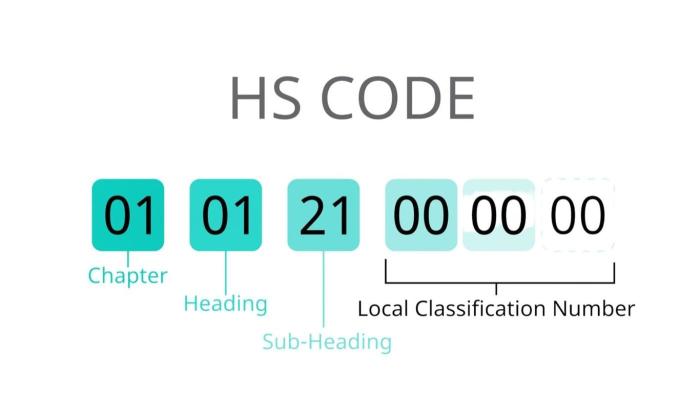
Almost nothing, if the software is doing its job. The salesperson bills the same way, and the transmission happens behind the screen. What changes is upstream: your items need to carry the right HS or PCT code and the right tax rate, because those are what get sent.
That is a one-time setup problem rather than a daily one. Once an item is coded correctly, every future sale of it is correct.
- Items need an HS or PCT code once, not per sale
- The tax rate sent is the rate you charged
- Nothing about billing speed changes
What if FBR is down
It happens, and it is worth knowing before it does. A well-built system keeps billing whether or not the submission succeeds, queues what could not be sent, and retries. Your customer walks out with their goods and their receipt either way.
Ask any vendor you are considering exactly this question. The answer tells you more about the software than any feature list.
Do you have to register
That depends on your turnover, your category and rules that change. It is a question for a tax practitioner rather than for a software company, and anyone selling you software who answers it confidently is telling you something about themselves.
What software should do is make the decision reversible: work fully without FBR invoicing, and switch it on the day you need it.
The shops that find this difficult are the ones whose records were already loose. If your items are coded, your rates are right and your sales are recorded as they happen, digital invoicing is a setting rather than a project.