
The software is the easy part. What takes the time is deciding what your items are called, what they cost, and how much of each you actually have.
Start with the item list
Everything else depends on this. Whatever you have already, whether a spreadsheet, an export from old software or a photographed rate list, is a better starting point than typing from nothing.
Do not try to be complete on day one. Load what you sell regularly and add the long tail as it sells.
Opening stock is a decision, not a truth
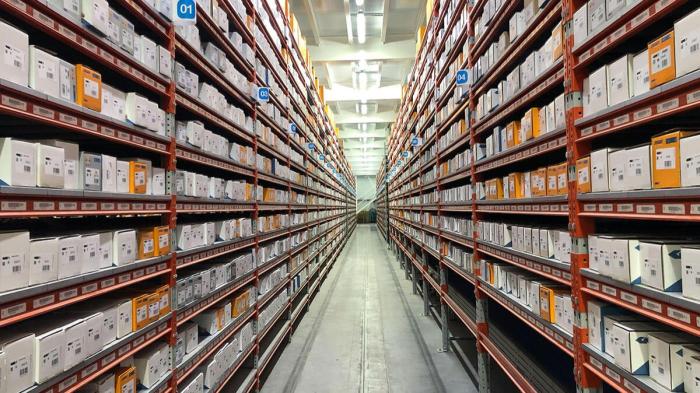
You will not get a perfect count before you start, and waiting for one is how the project never happens. Count the fast movers and the valuable lines properly, estimate the rest, and correct as you go.
A figure that is roughly right on day one and accurate by month two beats a perfect figure that never arrives.
- Count what matters, estimate the rest
- Correct as items sell rather than before
- Do not wait for perfection to start
Bring the khata across
Opening balances for credit customers should go in before you start billing, or the ledger begins with a hole in it.
This is also a good moment to agree those balances with the customers themselves, while there is a reason to have the conversation.
Train on the counter, not in a room
Staff learn billing by billing. An afternoon of real sales with somebody beside them is worth more than a day of explanation.
Expect the first two days to be slower and staff the counter accordingly. By the third day it is usually faster than the register was.
Do not run both for a month
Keeping the register going alongside feels safe and is the main reason switches fail. Two records that disagree are worse than one record that is imperfect, and nobody maintains both properly.
Pick a date, prepare for it, and stop the register on that date.
Two days of preparation and one clean cut-over is the whole method. The shops that struggle are the ones that tried to avoid both.